Foot-level performance intelligence

The data GPS can't give you.

GPS tells performance staff how much a player ran. It does not show how the player landed, loaded the foot, changed mechanics or repeated effort under fatigue.

ProblemTwo players can hit the same GPS load while moving very differently.
RiskMechanical change gets hidden inside distance, speed and squad averages.
SolutionKineLayer captures pressure, ground contact and player-specific baselines from inside the boot.

Built beside GPS as the missing mechanical layer.
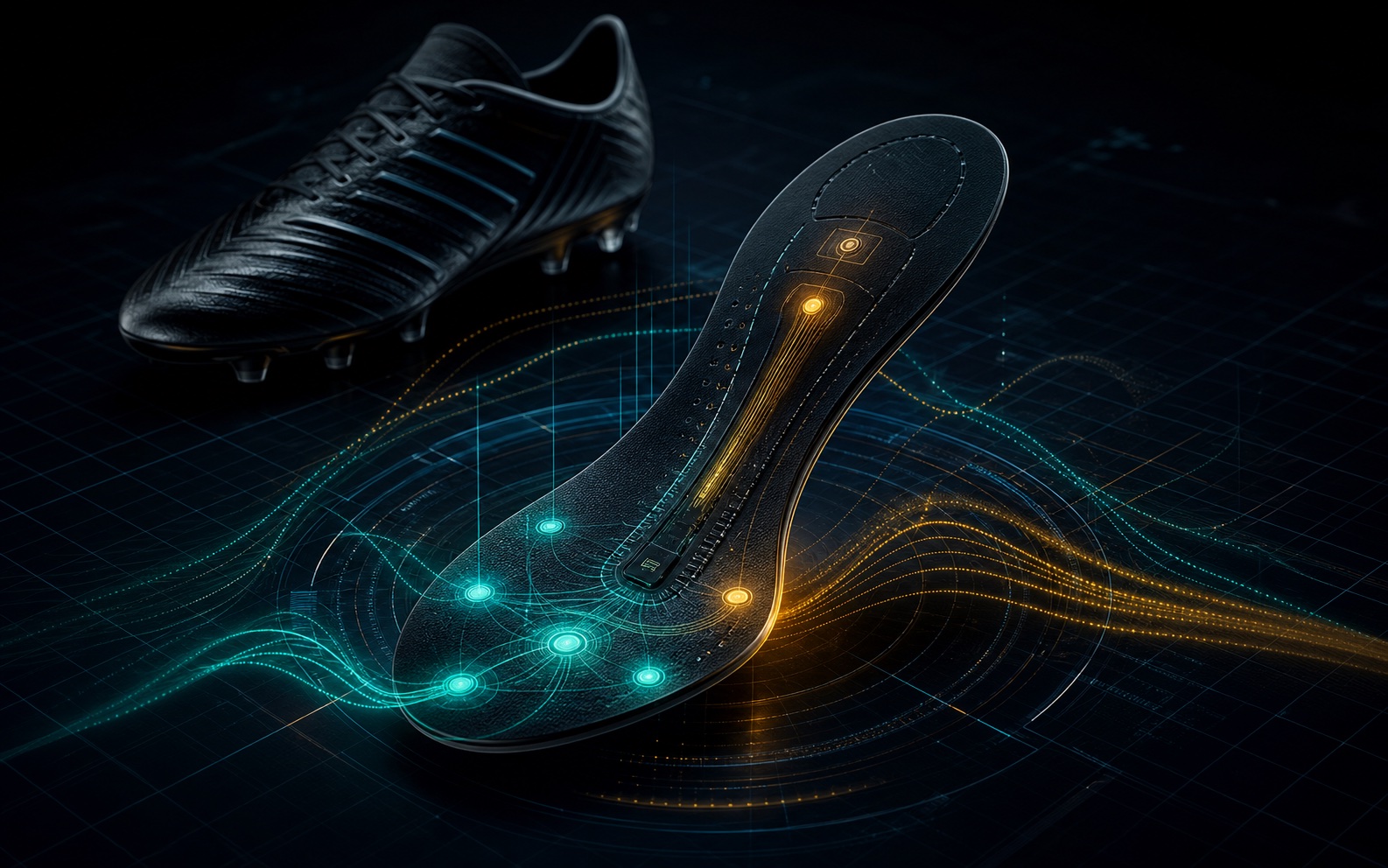
KineLayer smart insole system core visual
System coreScroll to reveal
Forefoot load and toe-off pressure
Pressureplantar load grid
IMUmovement layer
Baselineplayer mechanics
Dashboardstaff review
Scroll

Inside the boot, not another wearable.

Performance teams already have enough devices on athletes. KineLayer keeps the player experience normal while adding the missing data layer underfoot.
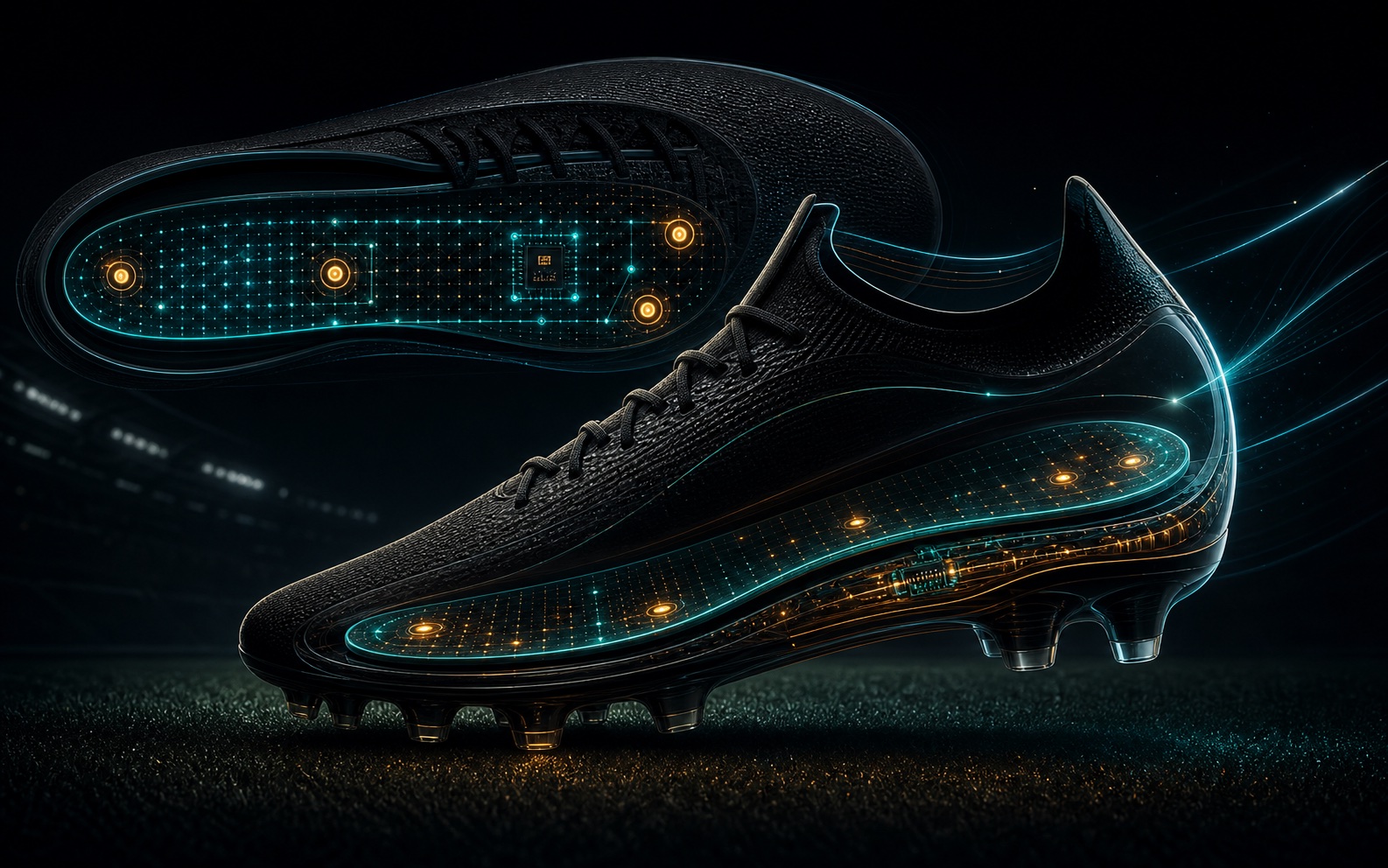
WhyNo new player behaviour means cleaner adoption and less staff friction.
LayerInsole underfoot, measuring the contact point that drives movement.
OutputSession-ready data from every step, cut and acceleration.
Smart insole inside a football boot
Boot-contact visual

The pressure grid reads how the foot loads.

This is the blind spot: GPS can show a deceleration, but not where load moved through the foot during that contact.

HeelInitial contact and deceleration load.
MidfootWeight transfer and stability through the step.
ForefootPush-off quality and repeat-effort change over time.
Foot pressure heatmap from smart insole sensors
Pressure heatmap

Motion context turns load into mechanics.

Pressure alone is not enough. The movement layer connects loading to sprinting, cutting, cadence, ground contact and repeat-effort mechanics.
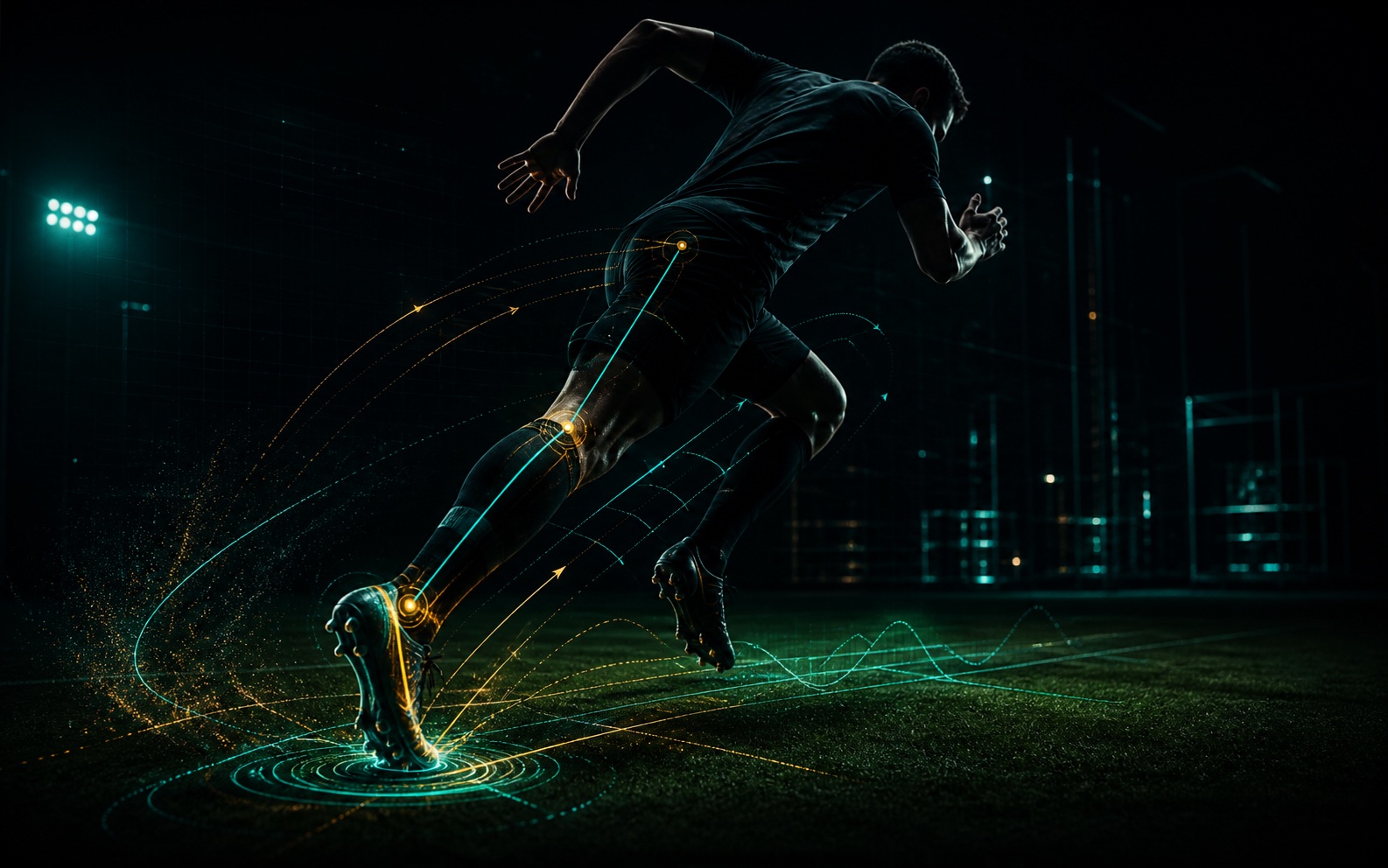
CapturesGround contact, stride rhythm, directional movement and rotation.
ConnectsMechanical load to sprinting, cutting and repeat efforts.
OutcomeStaff can see how mechanics change, not only how far a player ran.
Football movement mechanics with vector overlay
Motion vectors
Football player sprint with movement vectors

Raw sensor output becomes a session timeline.

The buying problem is not lack of data. It is too much disconnected data. KineLayer turns foot-level signals into a session timeline staff can actually review.

EventsAcceleration blocks, cuts, deceleration moments and repeat-effort windows.
FlowCapture, align, classify, review.
ResultA signal layer that can sit beside GPS and performance reports.
Smart insole data stream becoming a training session timeline
Session timeline
pressure.grid: forefoot load rising imu.layer: contact time change detected session.event: repeated deceleration block review.signal: mechanics changed vs baseline
Start
Sprint
Cut
Repeat

Every player is compared against themselves.

Squad averages hide individual movement changes. KineLayer compares each athlete against their own normal pattern, then flags when mechanics drift.
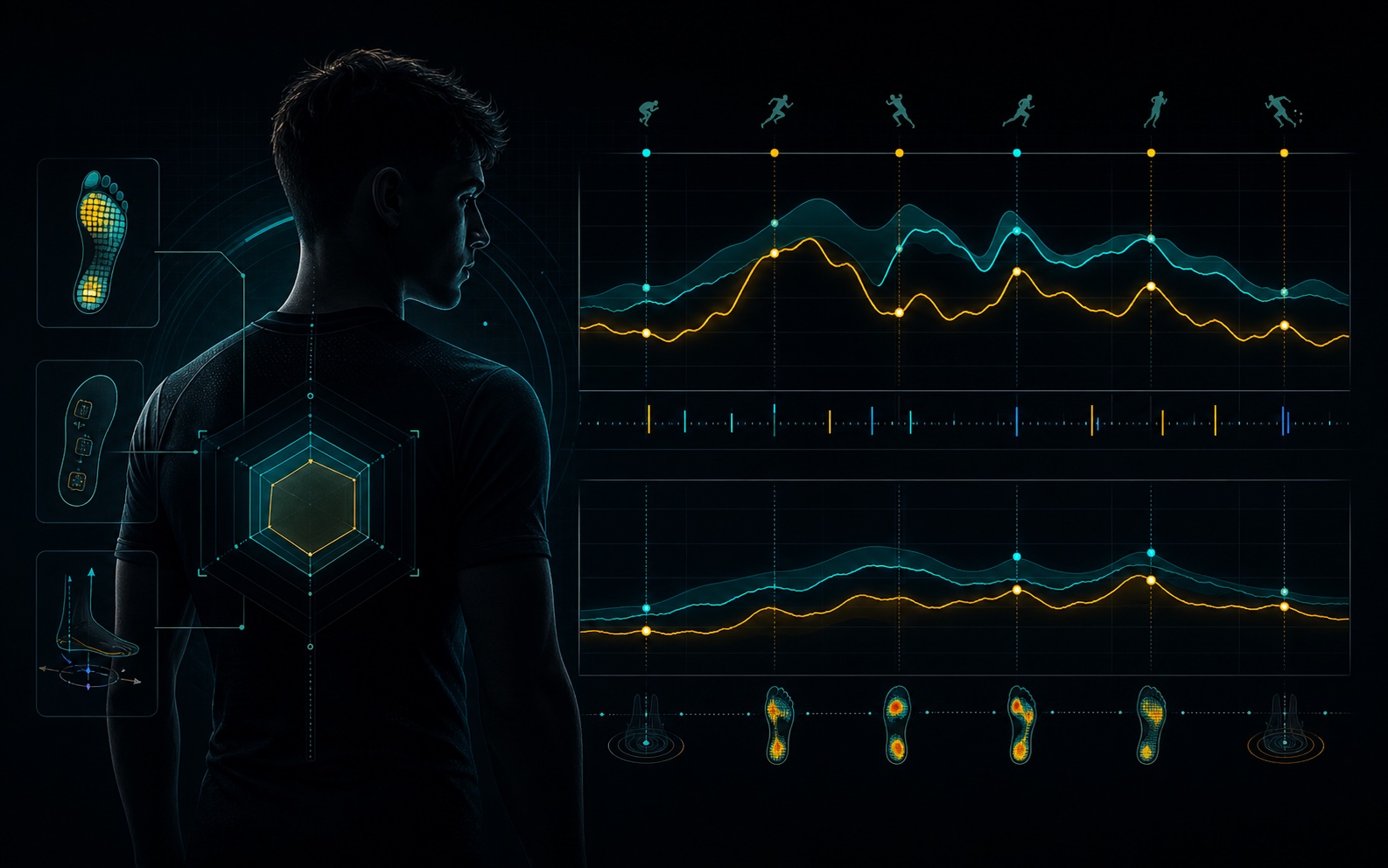
BaselineNormal mechanics across training days and weeks.
CompareSession pattern against individual player history.
SignalIdentify meaningful mechanical change without relying only on squad averages.
Player baseline comparison visual
Baseline comparison
Player 07 Baseline drift detected in repeat-effort window.

A dashboard for the morning performance review.

The outcome is not another spreadsheet. It is a faster performance conversation: what changed, who changed, and which action needs staff attention.
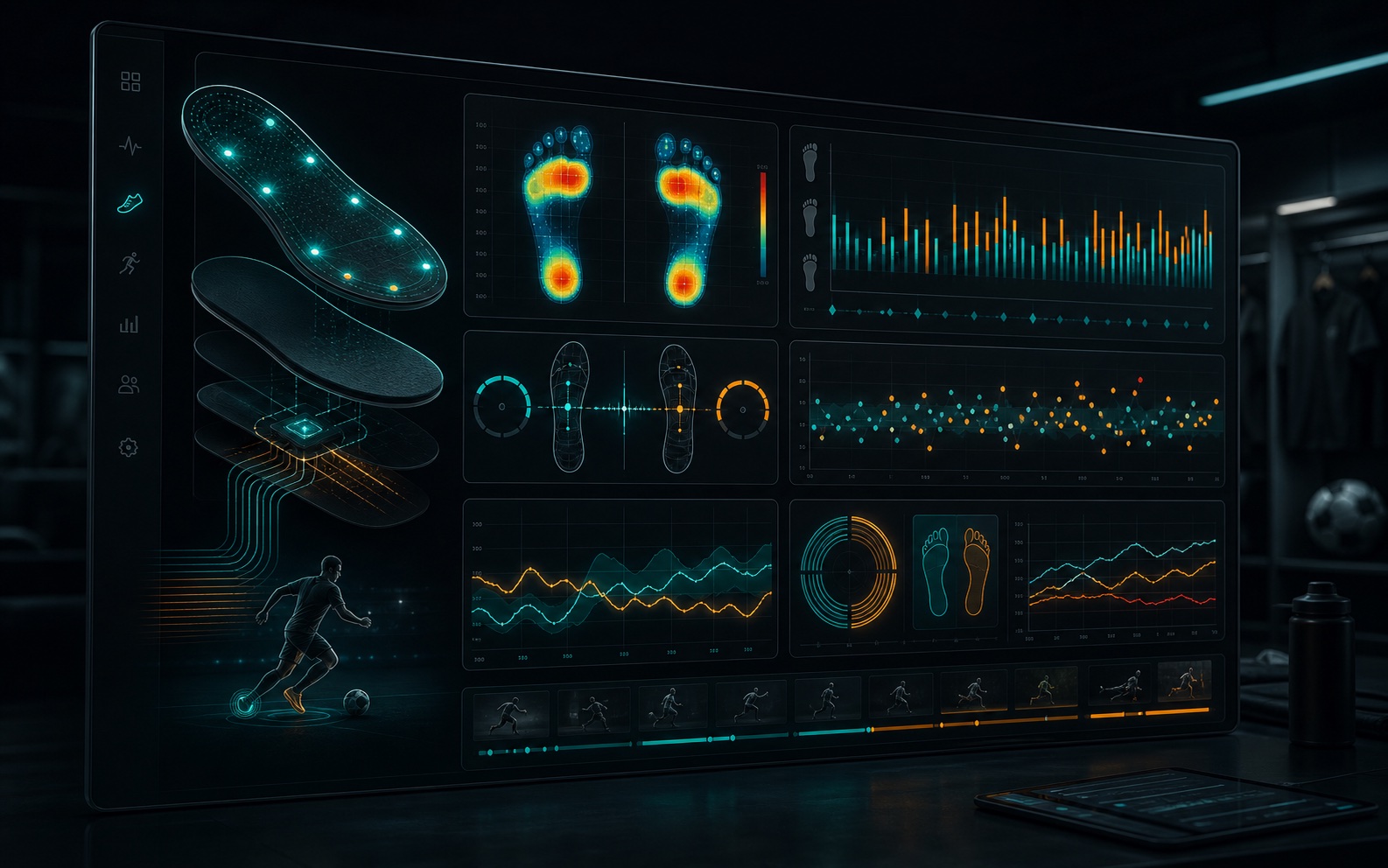
ReviewPressure map, ground contact mechanics and asymmetry.
TrackRepeat effort and baseline drift across the week.
DecideUse the signal to inform training conversation and performance planning.
Performance staff dashboard review visual
Interactive dashboard
Pressure map

Where the player loaded the foot during key movements.

82%Peak forefoot load during final acceleration step.
47%Heel load on deceleration contact.
0.31sLoad transfer from heel to toe-off zone.
Meaning: shows where force is going through the foot, so staff can review loading pattern, toe-off quality and deceleration contact.
Ground contact

How long the foot spends on the ground in sprint and cut actions.

184msAverage sprint ground contact time.
211msContact time during cutting action.
+9%Change versus player's baseline range.
Meaning: lower or rising contact time can show how efficiently the player is getting off the ground in repeated actions.
Asymmetry

Left-right mechanical differences reviewed against player history.

7.4%Left-right peak load difference.
R +11%Right forefoot loading above normal range.
3/5Repeated efforts where asymmetry increased.
Meaning: helps staff see whether the player is loading one side differently, especially after repeated sprint or cut blocks.
Repeat effort

How mechanics hold or change across repeated sprint and deceleration blocks.

6 repsRepeated sprint block reviewed.
-13%Toe-off consistency after rep four.
+18msGround contact increase late in the block.
Meaning: shows whether performance mechanics stay stable when the player has to repeat high-intensity actions.
Baseline drift

When the player's movement pattern moves away from their normal range.

+11%Current session above normal load pattern.
2 daysConsecutive sessions outside baseline band.
AMFlagged for morning review with staff.
Meaning: compares the player with their own history, so staff can spot mechanical changes before they become hidden in squad averages.
KineLayer dashboard performance review concept

Validate the system before hardware rollout.

We are not asking academies to buy a black box. The first cohort validates whether this missing mechanical layer is useful enough to build around.

CohortFounding academy group, limited places.
CostNo hardware cost for the first cohort.
GoalConfirm whether foot-level data is useful enough to build around.
Academy pilot workflow visual
Academy pilot workflow
01

Discovery call

Map current GPS setup and staff workflow.

02

Pilot design

Define players, sessions, metrics and review cadence.

03

Validation loop

Review data value before scaling hardware.

04

Product roadmap

Build around real academy feedback.

Join pilot planning.

If your academy already uses GPS and wants a deeper mechanical layer, request a short pilot conversation.

WhoAcademy directors, heads of performance, sports science and analysts.
WhatA practical call about current workflow and useful data gaps.
NextWe decide if a pilot design conversation makes sense.

Please complete all fields using a valid work email and confirm consent.

Application received.

We will follow up to schedule a short intro call.